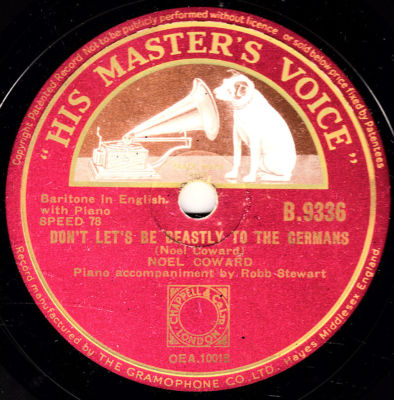
Record players made their way into family living rooms in the 1940s. Music was used to drown out the horrific news of WWII constantly being broadcasted over the radio. In 1943, English singer and playwright Noel Coward debuted his song “Don’t Let’s be Beastly to the Germans”
Sung in his well-known staccato singing style, Coward described the song as “a satire dedicated against a small minority of excessive humanitarians… taking a too tolerant view of our enemies”.
The UK quickly exploded with controversy. Many listeners believed the song was written to encourage Nazi support. Coward received insulting letters from listeners, causing the BBC to ban the song on the radio entirely. But not everyone despised the song. Winston Churchill was a huge fan. He adored the satire so much, he had Coward perform the song seven times at a private event.
The tune resurfaced in the UK in the early 2000s during The War on Terror. It was rewritten as “Don’t Let’s Be Beastly to the Muslims” only this time, it was actually made to show support for the Muslim community.
The iconic sweet harmonies of jazz accompanied with the energy of big band style music dominated the music scene in the 1940s. In the 1940s music began to enter family rooms around the globe, as the phonograph player had finally become an affordable asset for consumers to purchase. Music was used as a way to escape the horrors transpiring the world by storm as the Second World War reached its peak and devastation impacted many nations. During this time it was common for music artists to create happy-sounding music to distract listeners from their wartime agonies.
By 1943 the Allied forces started to defeat the Nazi regime on the battlefield. In that same year UK singer and playwright Noel Coward released “Don’t Let’s Be Beastly to the Germans”. I chose this song because of it’s interesting title filled with horrible grammar that was written right in the middle of World War II. Turned out, it was quite the controversial song of it is time as many believed it was written to encourage support for Nazi Germany, but that wasn’t actually the case. The song was not his first wartime song as it was not nearly as popular as “London Pride” written in 1941.
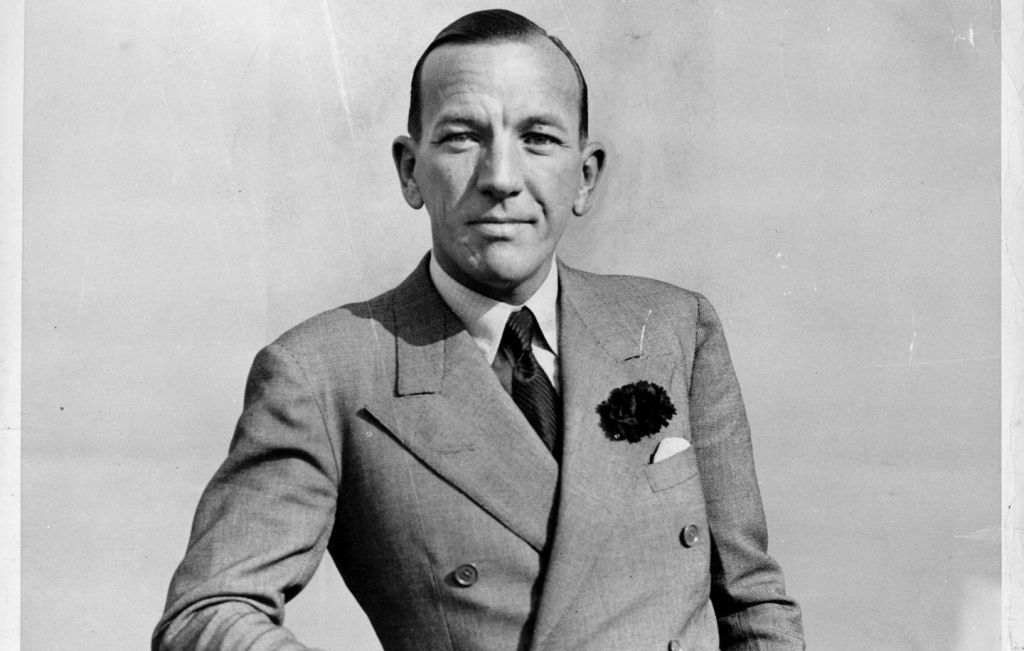
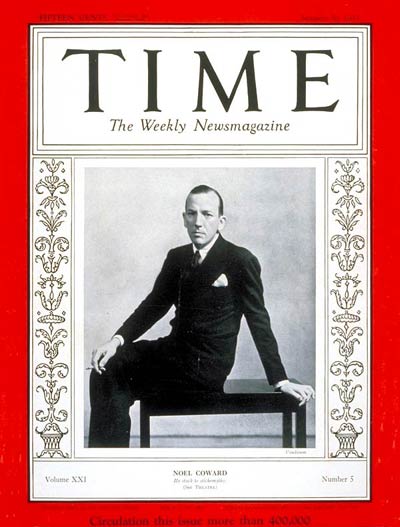
Noel Coward
“Don’t Let’s Be Beastly to the German” was far more controversial. According to Coward himself, the song was “a satire directed against a small minority of excessive humanitarians who, in my opinion, were taking a too tolerant view of our enemies”. The satire contained comical lyrics such as “it was just those nasty Nazis who persuaded them to fight, and their Beethoven and Bach are really far worse than their bite!” and “let’s give them full air parity and treat the rats to charity”. These lyrics along with many other comical phrases were embedded into the harmonic tunes of Coward’s piano playing.
The tempo of the piece brings out Coward’s former experience of theatrical performances during the 1930s. This background made the song sound more like a tune that would be performed at a live musical performance. Although many denounced the track, Prime Minister Winston Churchill enjoyed it so much he had Coward perform the song seven times at a privately held event. This came as Coward had been receiving insulting letters from listeners after only having been played once on the radio. Because of this controversy, major corporations such as His Masters Voice and the BBC scrambling to figure out what to do with his recordings. To add to the fire even further, “Don’t Lets Be Beastly to the Germans” was the first song containing the popular English expression “bloody” played on the air as songs played on the English radio were censored.
The tune resurfaced in the 2000s as a new version of the song was composed with lyrics referring to Muslims rather than the Germans. The song was written in the early 2000s after the US 9/11 attacks in New York lead to an international War on Terror. The lyrics of this version can be seen here. According to Songfacts.com, “”Don’t let’s be beastly” has become a catchphrase, and the opening lines of the song has found its way into the Oxford Dictionary Of Modern Quotations.”
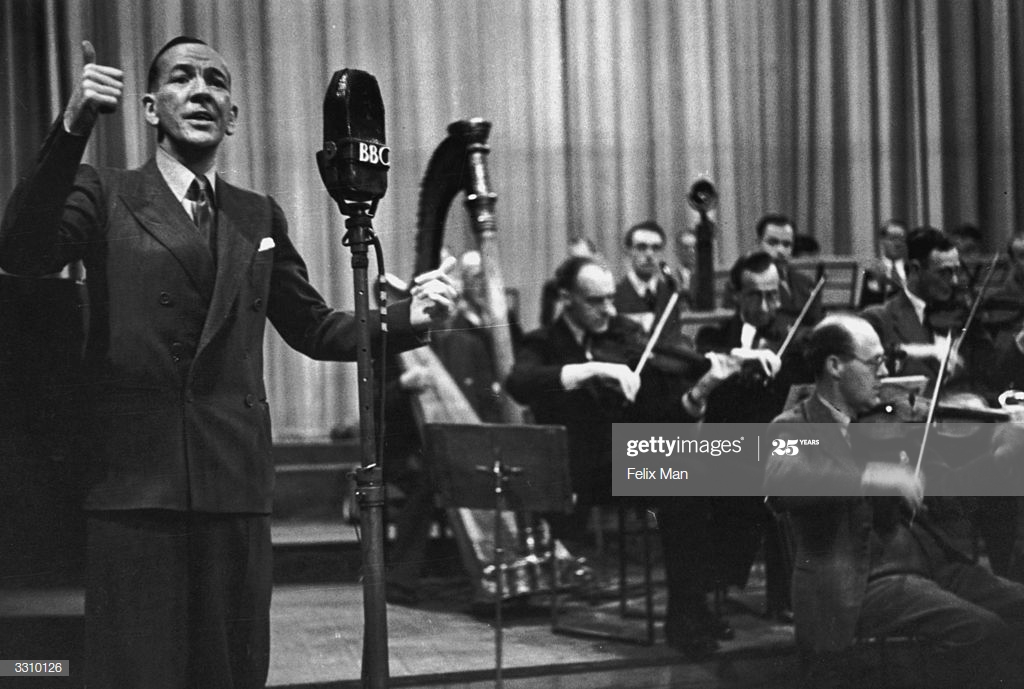
7th August 1943: Noel Coward (1899 – 1973) sings ‘Don’t Let’s be Beastly to the Germans’. Original Publication: Picture Post – 1500 – Noel Coward Makes His Own Contribution To The Problem Of How To Treat Germany – pub. 1943 (Photo by Felix Man/Picture Post/Getty Images)
In the Pop world young, new artists are constantly emerging. In 2019 Tones and I quickly became the queen of the pop jungle after debuting her hit Dance Monkey. Straight from The Outback, the teen from Byron Bay, Australia has gone from having her music echoing city streets, to blaring out of car speakers ‘round the globe.
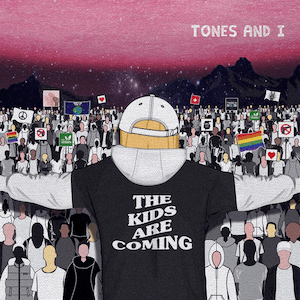
The hit comes from Tones and I’s first EP album titled The Kids Are Coming. The six-song album references the frustration the millennial generation deals with as older generations criticize them for wanting to change the world and believing they have all the answers to do so. The cover of the album features a cartoon image of her standing before a crowd waving rainbow flags and holding protest signs. Each song tells a story within it soft-techno beats.
Cover art of her first EP release “The Kids Are Coming”
The title Dance Monkey is projected to be about dancing, however the celebrity claims the song is actually composed of actual phrases people on the street have said to her about her singing abilities. (Click here to watch the exclusive interview with DIFFUS) Tones and I swapped out the word “sing” with “dance” to make the lyrics less personable since her music does not usually reflect her personal life. Phrases such as “move for me” and “you just beg to see me dance just one more time” are actually phrases fans have said aid to her regarding her singing.
The lyrics follow a repetitive thrust on a piano key that opens the song. Sung in a raspy and rolling tune, her voice mimics vintage blues style singing. The voice comes as a total surprise as it is not a typical, feminine and sweet-sounding voice that usually adorns the pop sound. Many listeners feel the urge to reject the song, as the pitch of her voice can be a bit jarring at first. However, after reaching the mid-point of the track, listeners find themselves drawn in and easily become hooked to the beat. They quickly realize their head begins to bob to the music. It quick becomes trapped in your head.

 Intro to WA